When we talk about partner program transformation, we aren’t referring to a quick rebrand, a shiny new portal, or a routine policy update. True transformation requires a fundamental overhaul of how the program actually operates: its core structure, underlying incentives, progress metrics, and the daily execution of the team. A transformation occurs when several of these core components evolve together. If you simply launch a new initiative while your operational structure, compensation models, and KPIs remain unchanged, you have executed a minor update, not a transformation.
Achieving a genuine, high-impact evolution requires moving past superficial adjustments and addressing the foundational engine of your ecosystem. To guide you through this process, here are 10 strategic principles designed to drive meaningful, lasting partner program transformation:
What Actually Has to Change
1. Prioritize structural design over visibility.
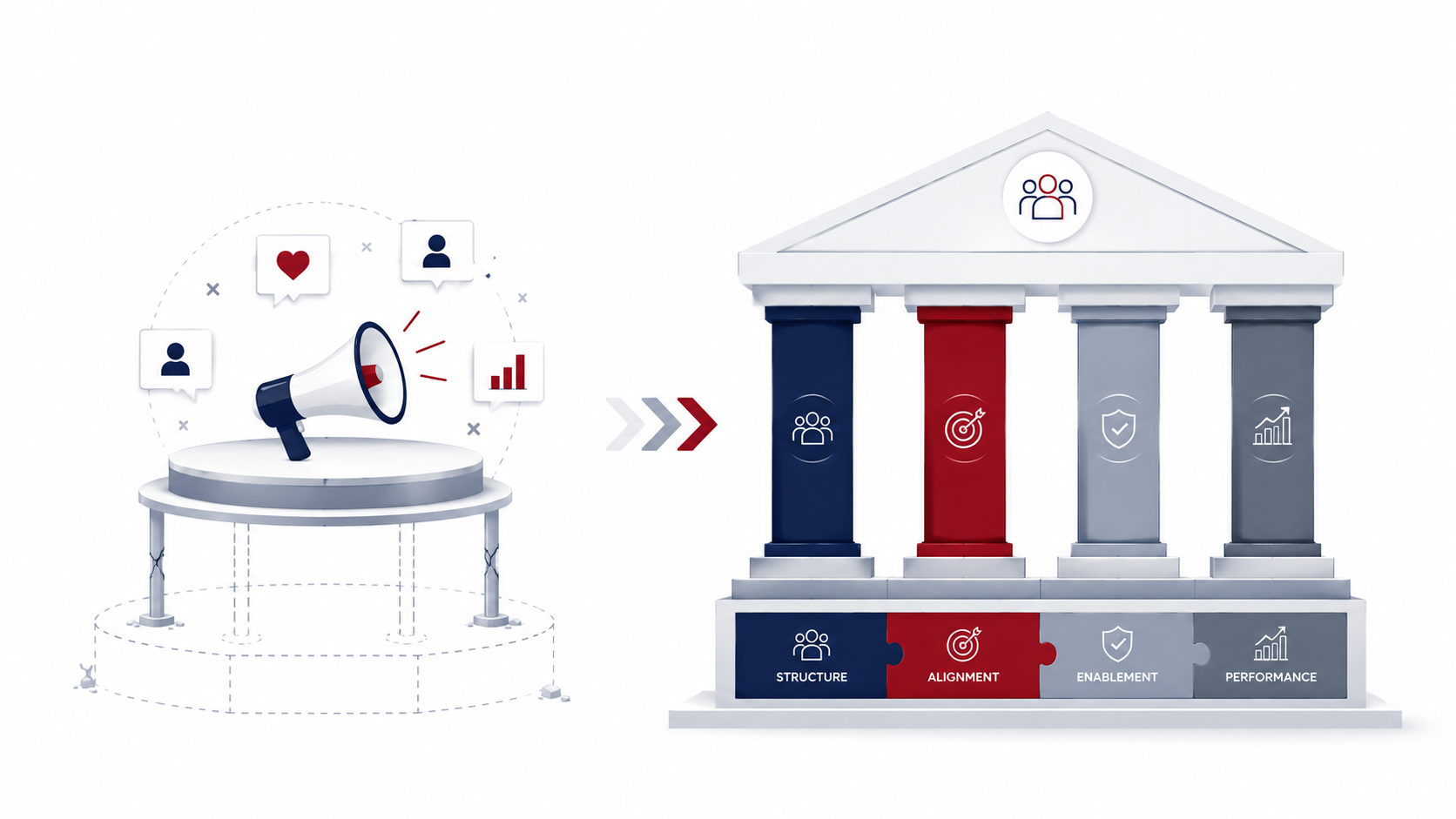
Before modifying your brand, portal, or messaging, you must first restructure the operating model. A transformation becomes substantive through its underlying framework; therefore, determine how engagement rhythms, segmentation, and tiers should evolve to support a partner-led motion before executing external changes. Carefully sequence this transition to prevent revenue from stalling.
McKinsey’s research on digital transformation backs this sequencing up directly: organizations that address structure and culture alongside new technology see roughly five times the success rate of those that focus on the technology alone.
2. Prioritize incentive alignment before demanding new behaviors.
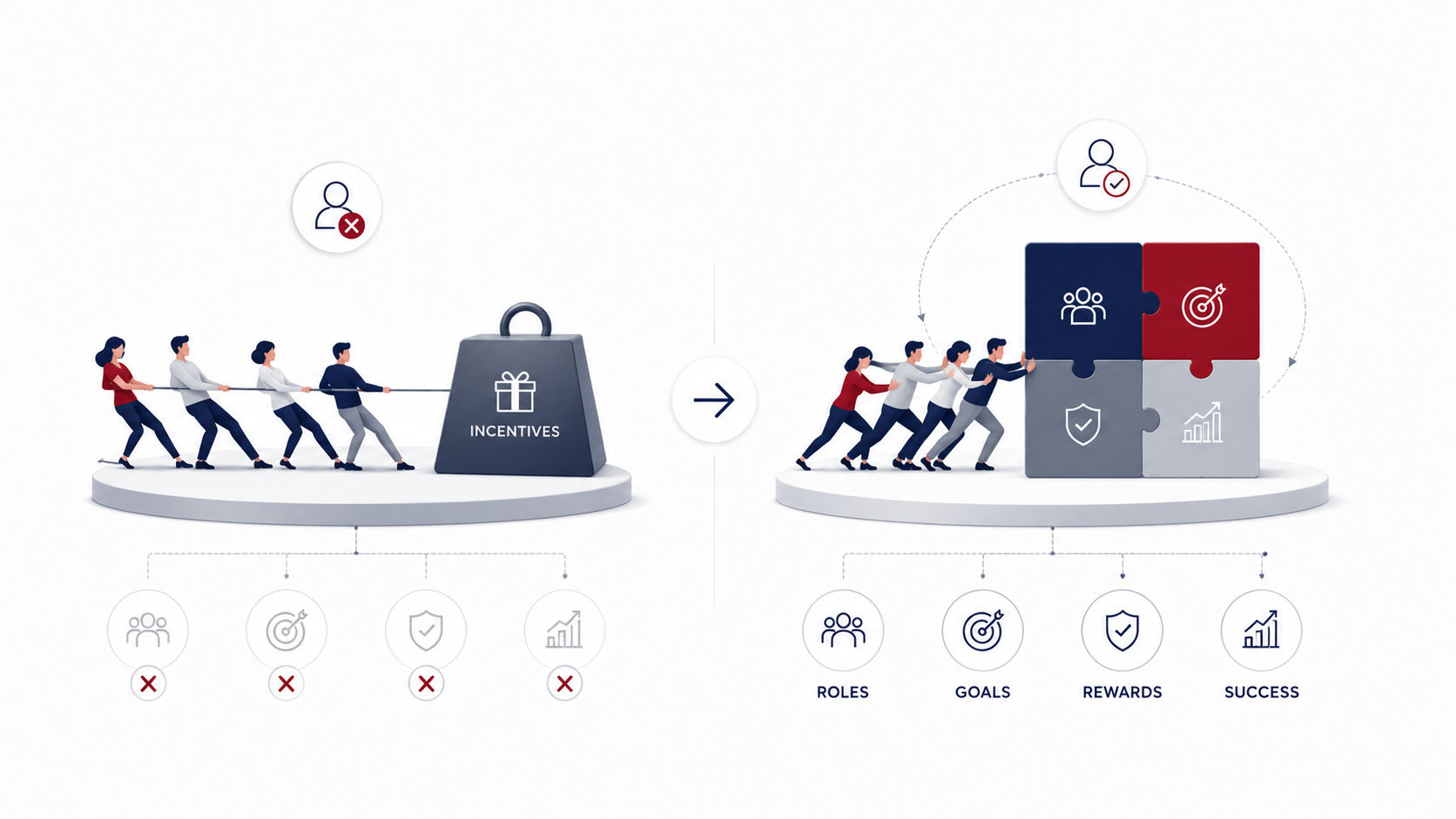
Compensation is the true mechanism for driving behavioral change. Restructure both partner and internal sales incentives to ensure co-selling and joint planning become the standard approach, rather than outcomes reps must be persuaded to adopt. It’s a pattern we’ve tracked across partner ecosystems for years: a rep paid on direct ARR treats a co-sell deal as a tax on their own pipeline, and a partner manager paid on sourced revenue sees that same rep as competition. Neither side has a reason to loop the other in until the comp plan says otherwise.
3. Establish a durable governance home for the transformation that extends beyond a single advocate.
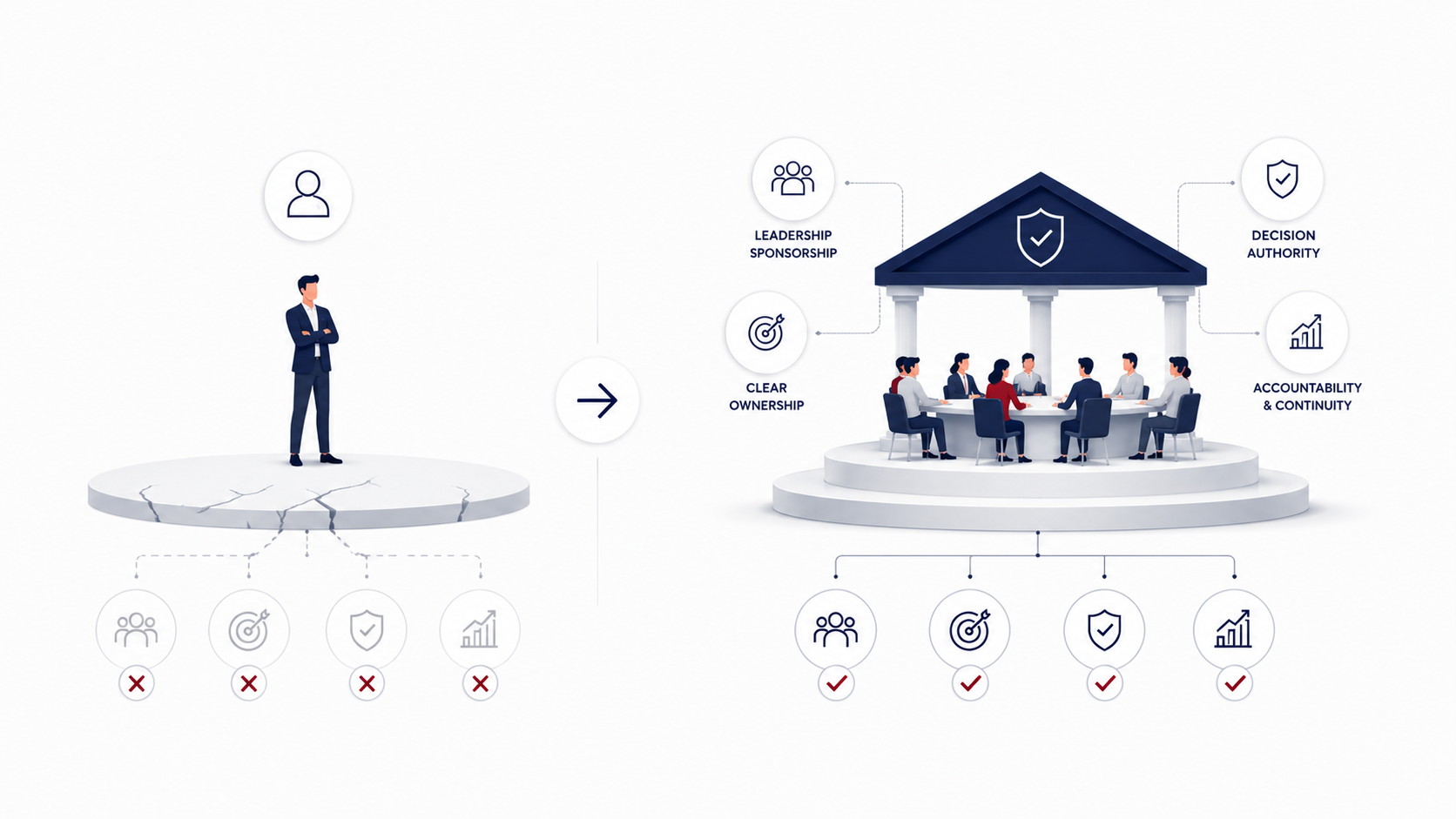
By designating explicit ownership and a formal governance framework rather than relying solely on an executive sponsor, the initiative remains resilient against organizational restructuring, leadership transitions, or changing priorities.
McKinsey puts the failure rate for large-scale change efforts at roughly 70 percent, and weak governance is one of the most consistently cited reasons why.
4. Select early-stage performance indicators, before day one.
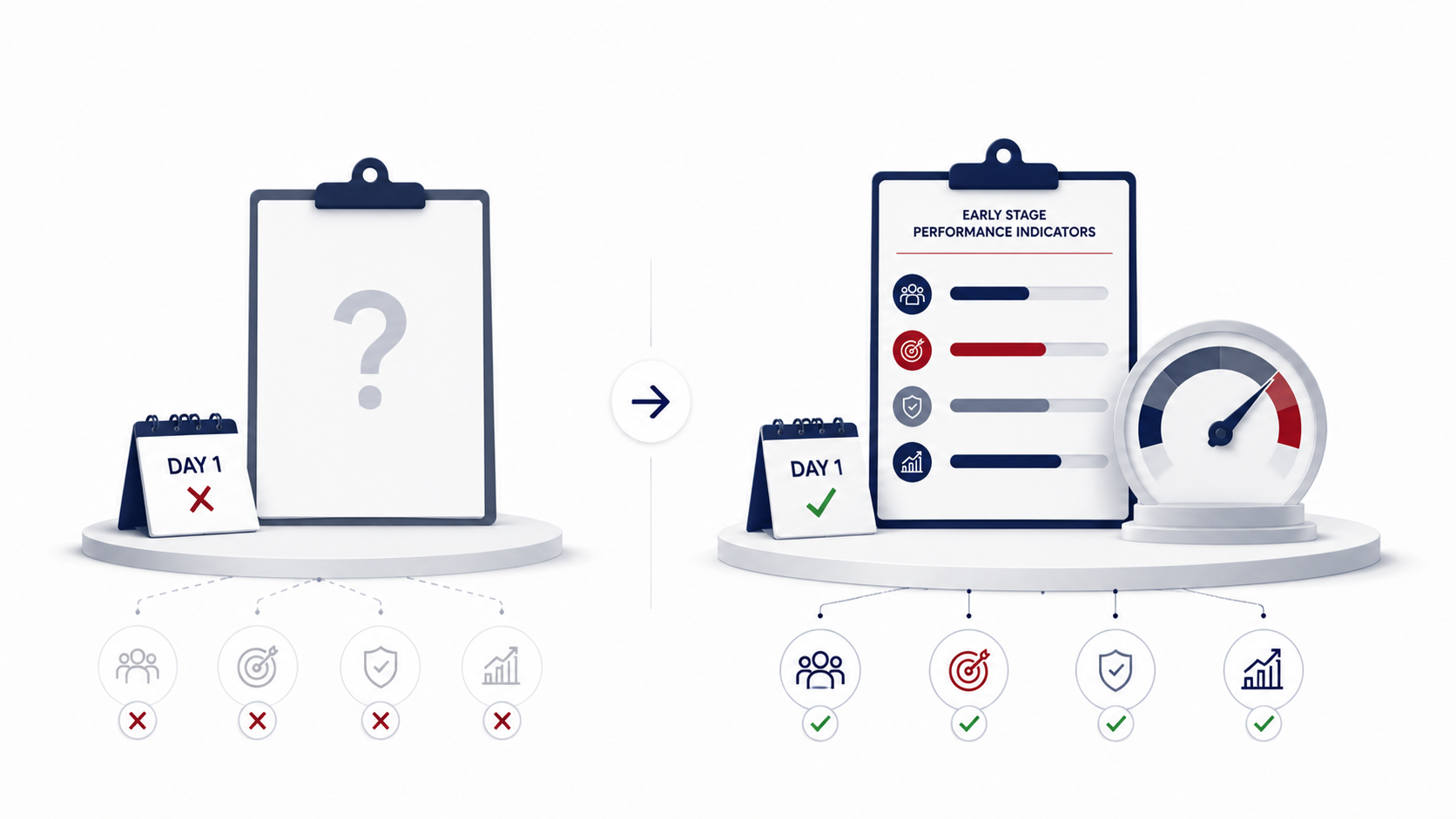
Establish metrics capable of demonstrating progress from the outset rather than relying exclusively on year-end figures. This provides leadership with clear evidence of the initiative’s success well before annual outcomes materialize.
The programs that show real, early progress track operational leading indicators (partner attach rate, joint plans completed, deal registrations) on a weekly cadence, the same discipline we’ve written about in co-sell motions, rather than waiting for lagging, year-end revenue numbers to tell the story.
5. Focus investments purposefully.
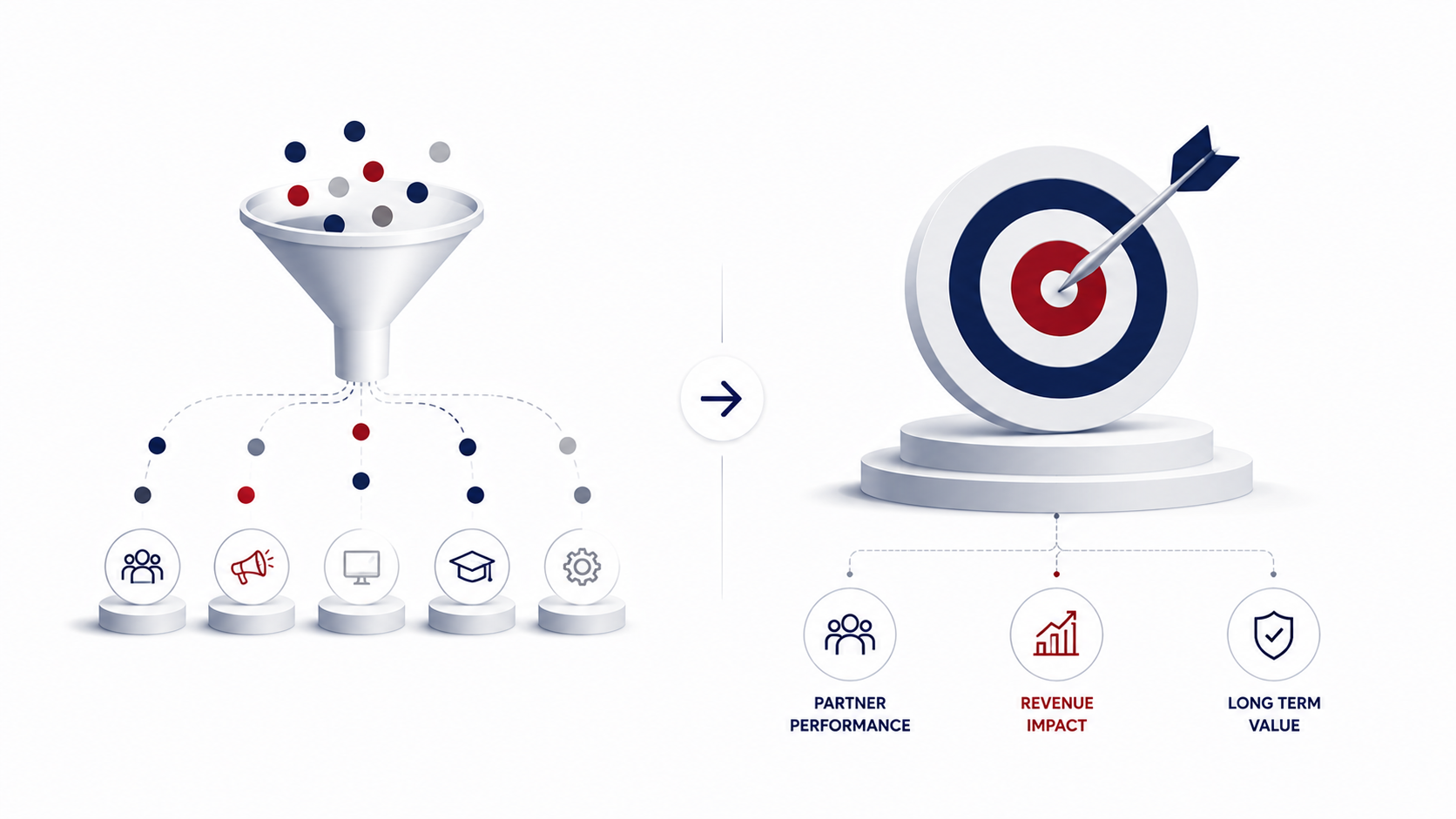
Make deliberate choices about which partners transition to the new model first, and oversee the rest of the base intentionally rather than by default. Prioritize resources that generate faster outcomes than spreading them thin.
Forrester’s research found that mature partner programs that concentrate investment behind their strongest partners see roughly double the revenue growth of programs that spread resources evenly, with those partners alone contributing close to 28 percent of total company revenue.
6. Engage sales, marketing, and product in the redesign from day one.
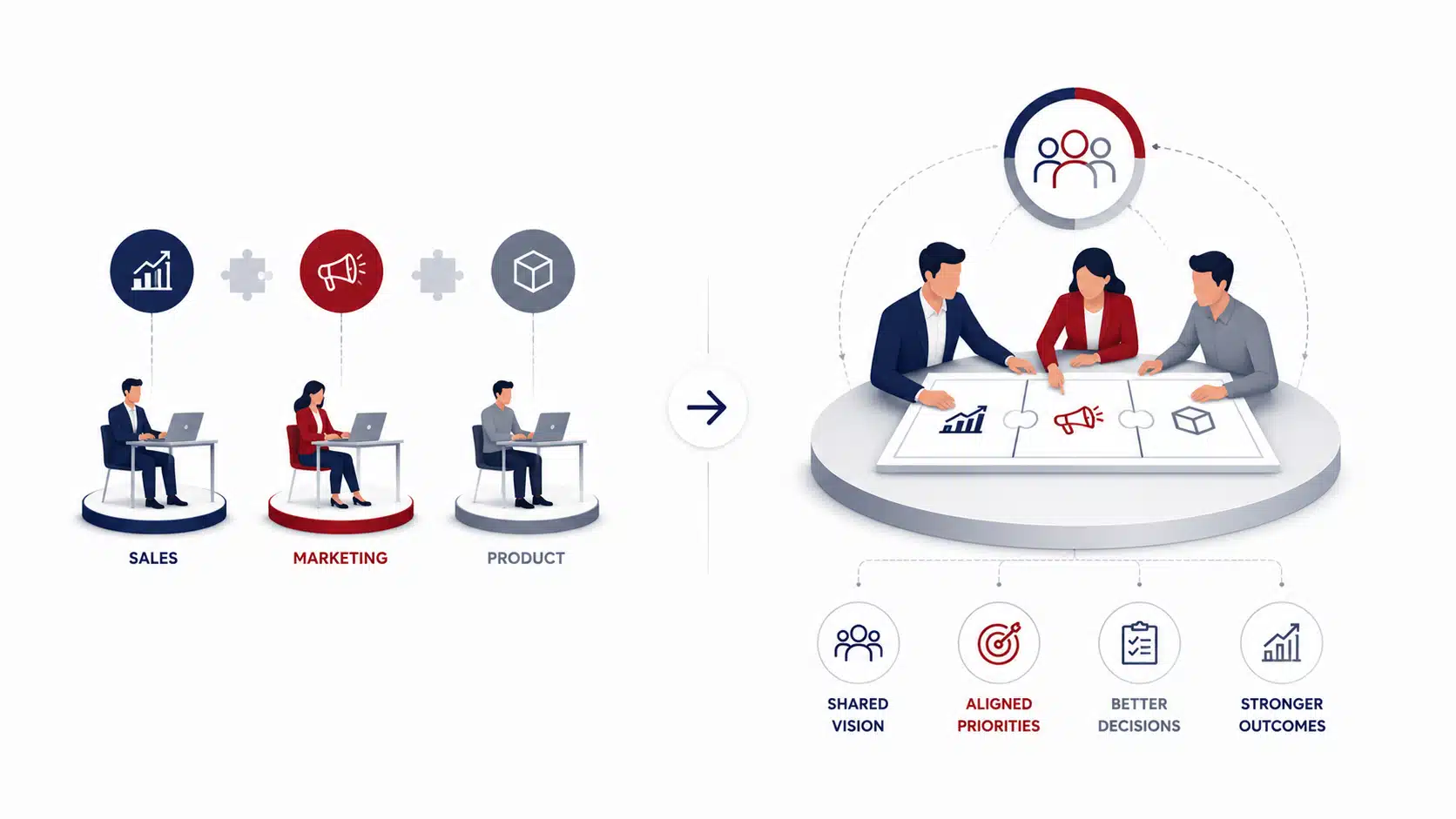
Co-create the new model alongside the functional areas that must operate within it, rather than presenting them with a finalized plan. Early-stage alignment proves far more resilient than attempting to secure buy-in after the fact.
Harvard Business Review’s research on strategy execution found that as many as two-thirds of well-designed strategies fail at the execution stage, most often because the functions responsible for carrying them out were never brought into the design process.
7. Establish a dedicated transformation path for program integration following an acquisition.
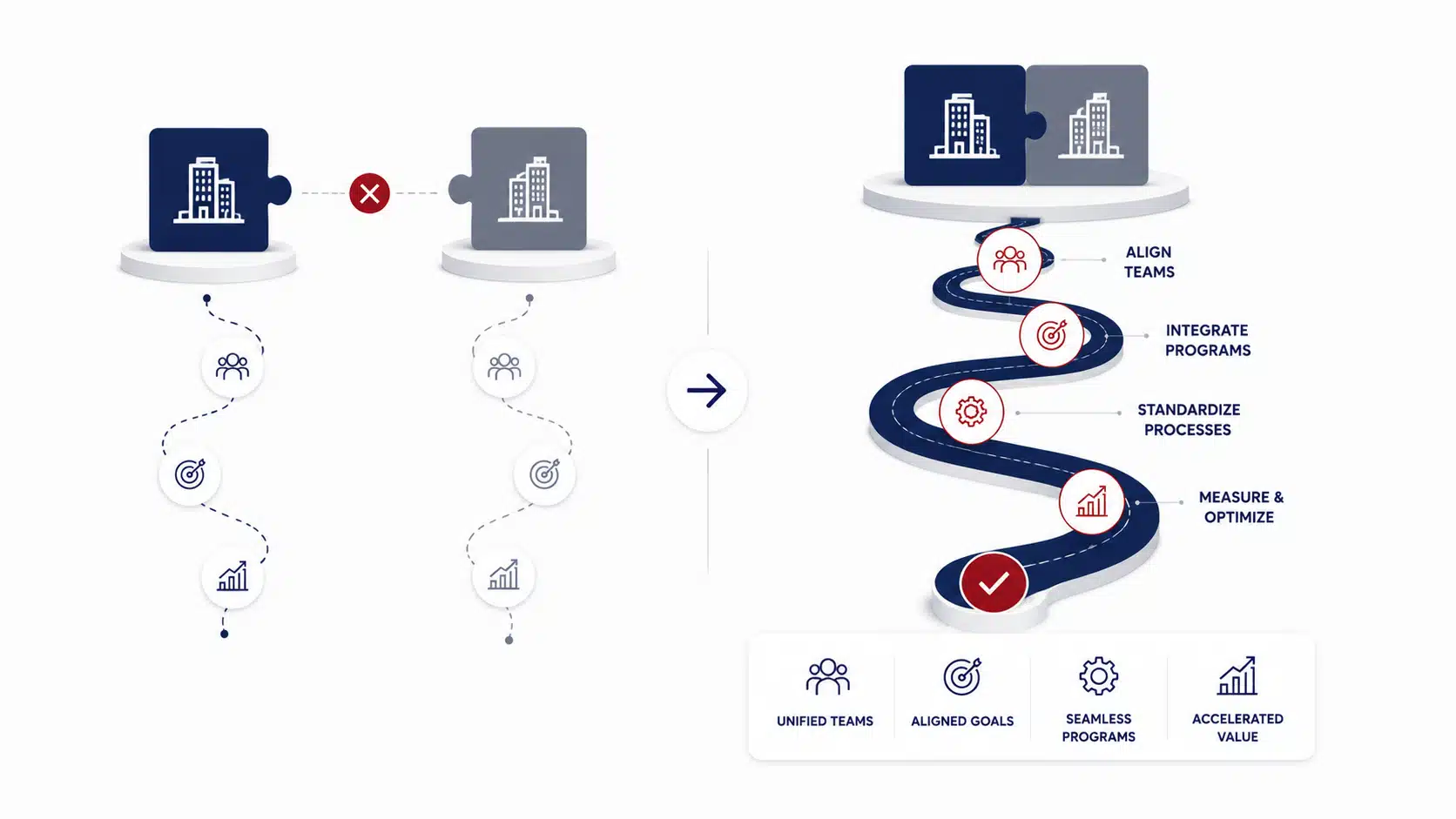
Avoid incorporating a merged partner program into a generic integration checklist; instead, provide it with a distinct systems plan, a customized incentive structure, and a dedicated timeline.
McKinsey’s research on mergers puts the failure rate to capture expected synergies between 50 and 70 percent, while acquirers who track integration synergies from day one achieve success rates as high as 92 percent.
8. Integrate the fresh framework directly into your team’s existing workflow routines.
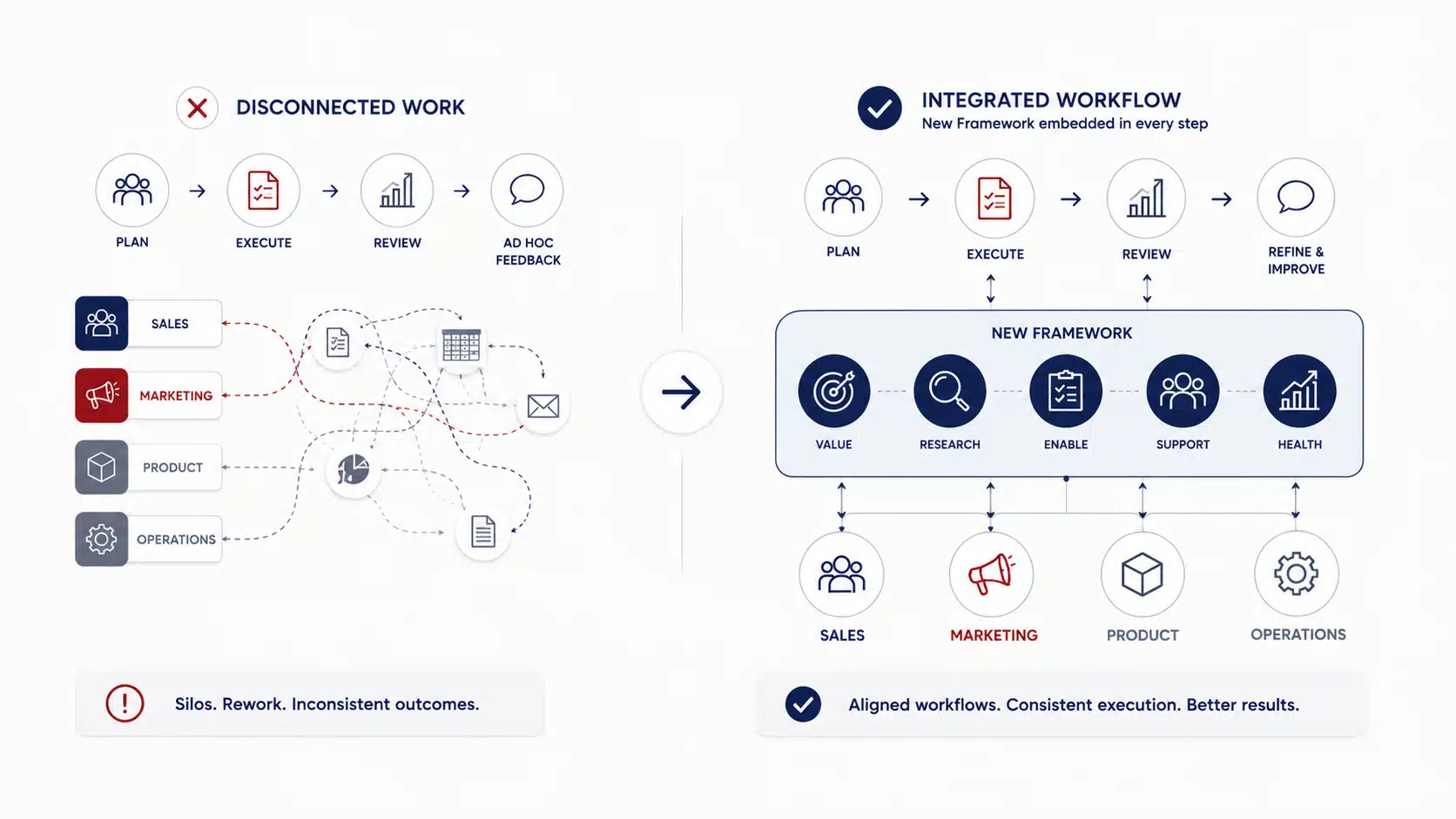
Rather than launching a standalone campaign that loses momentum once the initial excitement wanes, weave the transformation directly into established routines like QBRs, joint business strategies, and day-to-day operations to ensure it defines the team’s standard approach to execution.
The science backs this up bluntly: without reinforcement, people forget as much as 90 percent of what they learned in a training session within a single week. A new operating model that only lives in a kickoff deck disappears just as fast.
9. Align technology deployment with your established model.
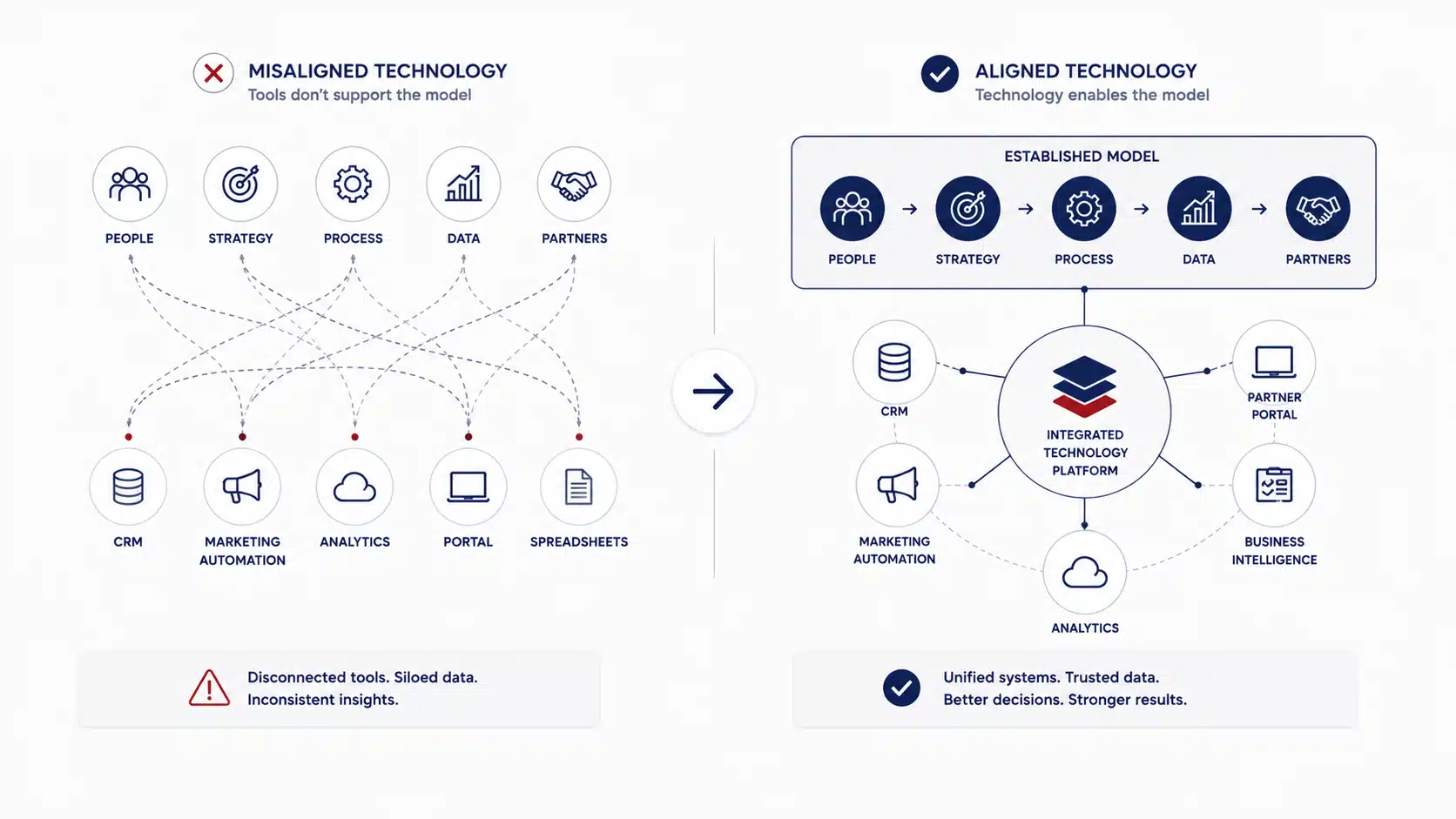
Introduce new tools, such as AI or PRM solutions, only after defining the operating framework so that the technology supports and strengthens the redesign rather than trying to replace it.
We’ve found the same pattern across the partner ecosystems we’ve studied: even well-funded AI initiatives struggle to deliver results when they’re layered onto a partner operating model still built for a slower, more linear sales cycle.
10. Develop your team’s strategic capability alongside the redesign.
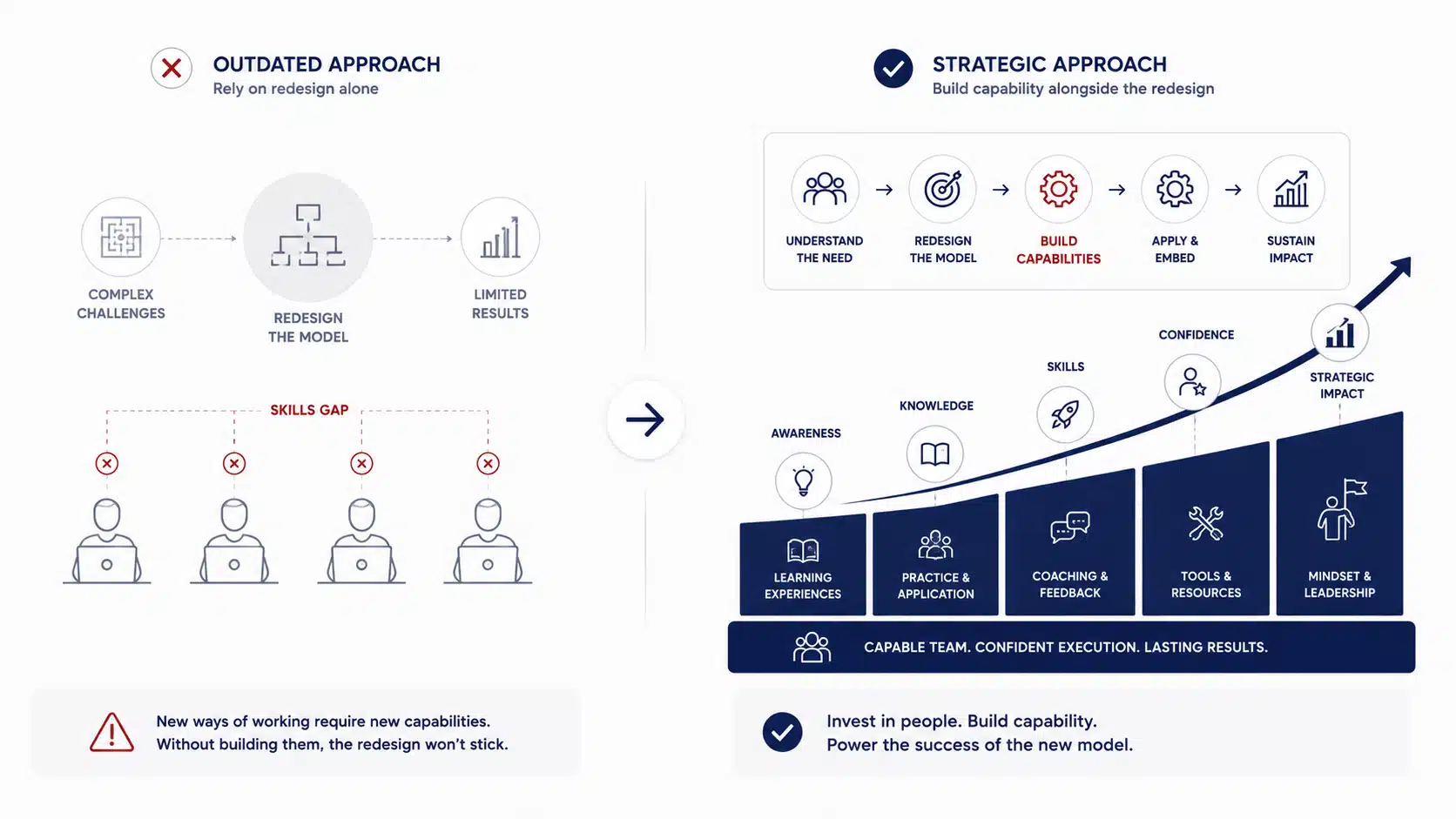
Equip partner managers to operate as strategic advisors under the new model, not administrators of the old one. The org chart can change overnight. The skill set takes deliberate development.
The skills gap is already showing up: many partner teams haven’t yet built the capabilities to operate in an AI-driven environment, particularly when it comes to applying that capability directly to revenue conversations rather than administrative ones.
Where This Goes From Here
True partner transformation is not a single project, but a comprehensive rewiring of your strategy, structure, and team operations. By prioritizing foundational design, aligning incentives, and embedding new routines into everyday execution, you build an ecosystem capable of driving sustainable growth. Tools, rebrands, and new portals certainly have their place, but they must serve as catalysts for a deeper operational evolution rather than a substitute for it. By committing to transform the underlying framework in tandem with upgrading your team’s capabilities, you elevate the partner program from a simple administrative function into a competitive advantage.
This is the thinking we’ve built our own approach around at AchieveUnite. Our PRIME Framework and our co-managed model, the one we run alongside client teams, both exist because sequencing and follow-through matter more than any single initiative.
This is Part 1 of A Decade of Partnering Success, ten series marking AchieveUnite’s 10th anniversary by giving away ten years of field-earned perspective, one topic at a time. Stay tuned for Part 2.
If you’re ready to take to next level your partner program Contact Us here
Frequently Asked Questions
What does partner program transformation actually mean?
It means changing the program’s underlying operating model, its structure, incentives, metrics, and daily execution, together, rather than updating one visible piece like a portal or a policy. If the fundamentals didn’t move, it’s an update, not a transformation.
What’s the biggest reason partner program transformations fail?
Lack of durable governance. Research puts the overall failure rate for large-scale change efforts at roughly 70 percent, and a transformation that depends on a single executive sponsor rarely survives that sponsor’s departure or a shift in priorities.
Should a partner program transformation start with technology or with the operating model?
The operating model comes first. Introducing new tools like AI or a PRM before the structure, incentives, and metrics are redesigned means the technology reinforces whatever is already broken rather than fixing it.
How do you measure whether a partner program transformation is actually working?
Track leading indicators, such as partner attach rate, joint plans completed, and deal registrations, on a weekly cadence, rather than waiting for lagging annual revenue numbers. By the time those numbers move, you’re a year past the point where corrections were still cheap.
How does an acquisition change the approach to partner program transformation?
Merging two partner programs after an acquisition is its own transformation, not an integration checklist item. It needs its own systems plan, its own incentive redesign, and its own timeline, separate from the broader post-merger integration plan.