By Rodney Baumgart and Frank Picarello
The Best strategic alliances have always been more than technology, contracts, or go-to-market agreements. At their best, they create something neither party could build alone: a relationship where both sides accelerate growth because their proposition is stronger together than alone.
But that’s not what most alliance leaders are experiencing right now. They’re managing portfolios that look productive on paper yet underperform in practice. Partners who are enrolled but not engaged. Co-sell motions that exist in the program guide but stall on the sales floor. Commercial terms that make good business sense but the gap is rarely strategic; it’s almost always operational: the difference between what the program was designed to do and what is needed to commit, grow, and bring the best deals into the alliance.
At AchieveUnite, we’ve spent a decade on both sides of these relationships, building alliance programs and sitting inside them as partners. The ten best practices for strategic alliance management below reflect what the strongest alliance programs consistently get right, and what the ones that underperform are still missing.
This is Part 2 of A Decade of Partnering Success, a series from the AchieveUnite team sharing ten years of field-earned perspective, one topic at a time.
What the Strongest Alliances Get Right
1. Tier your alliances by value, not volume.

Split your portfolio into three tiers: strategic, core, and community, based on what each relationship can realistically produce, not on tenure or how a partner might show up in your inbox. Give the strategic tier named executive time and a dedicated owner. Give the community tier a self-serve playbook and clear expectations. AWS, Salesforce, ServiceNow, and VMware all run multi-tier alliance programs for exactly this reason: benefits and requirements scale by segment, and resourcing follows. Rank your current list this week and reallocate accordingly.
2. Name an executive sponsor on both sides, or admit it’s a static account.
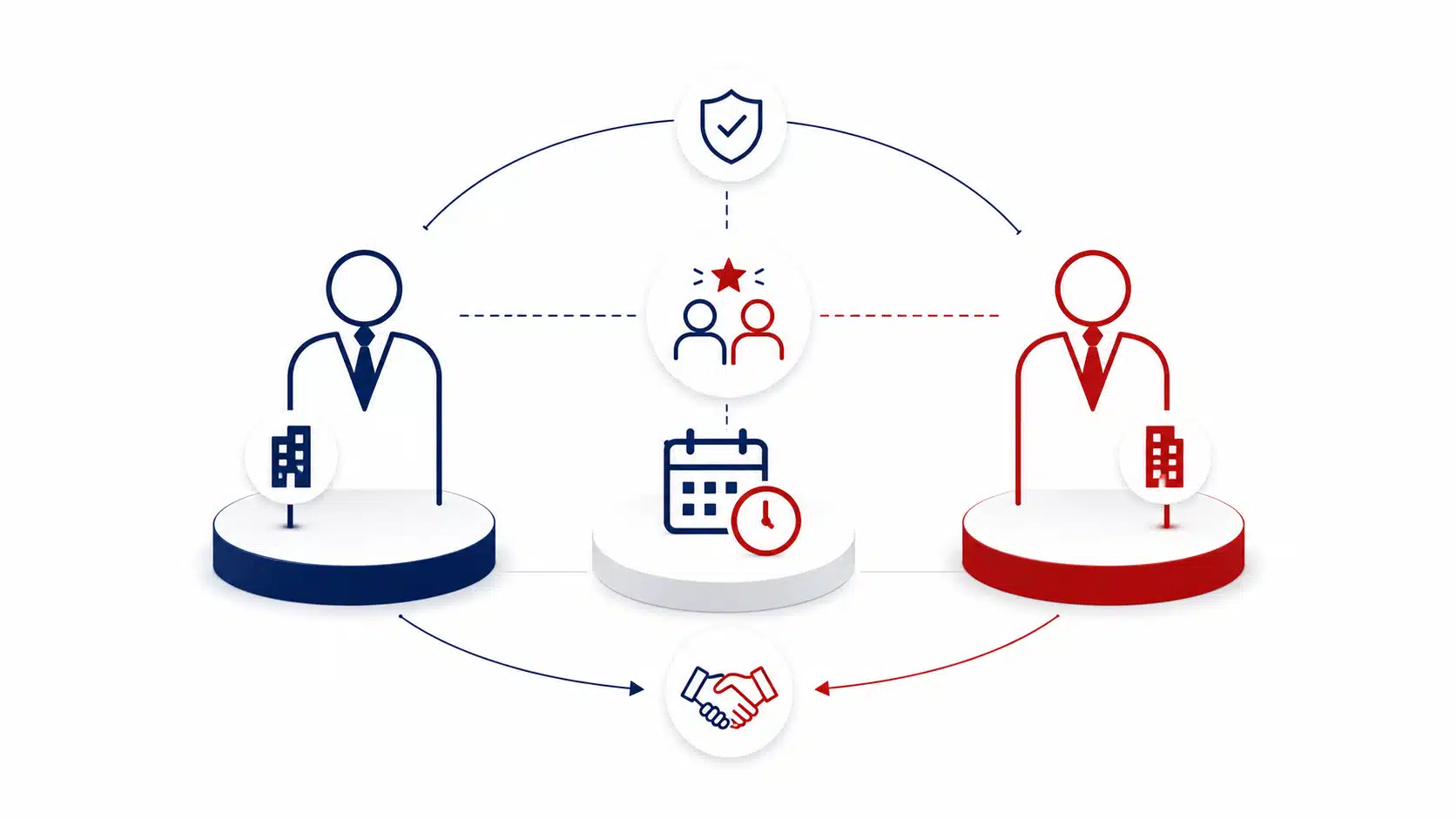
A charter and a logo on a slide deck are not sponsorship. Real sponsorship is a named executive who shows up to the QBR, clears resourcing conflicts with a single call, and defends the relationship before it shows revenue. A practical test: could you get your counterpart’s senior leader on a call within 48 hours if your most important alliance went sideways tomorrow? Enterprise vendors route their GSI relationships straight to the CRO or CEO for a reason. Sponsorship gaps are the single most common cause of a well-designed alliance that never produces revenue.
3. Price for the partner’s journey, not just their volume.
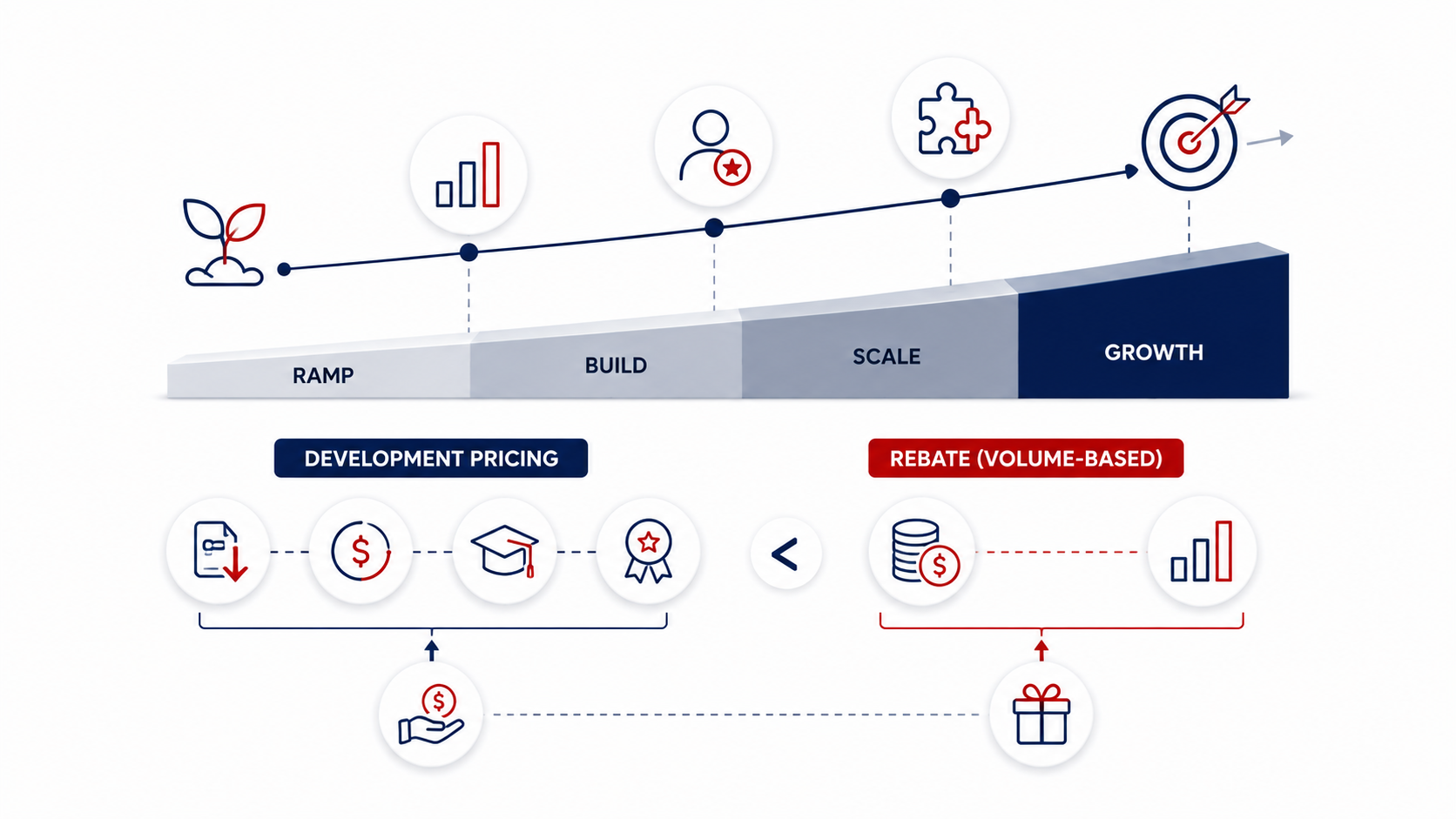
Emerging partners often need economic support while they are building scale and investing in capability. Pricing that only rewards past volume gives the best terms to the partners who need them least and withholds them from the ones with the most growth potential who need better pricing to accelerate growth. Providing lower pricing and better terms during the ramp phase is an investment in future performance, not a discount. Redirect rebate dollars toward development pricing tied to milestones: pipeline built, capabilities developed, solutions delivered. Rebates reward historical results. Development pricing funds tomorrow’s growth.
4. Pick one kind of alliance value to activate first.
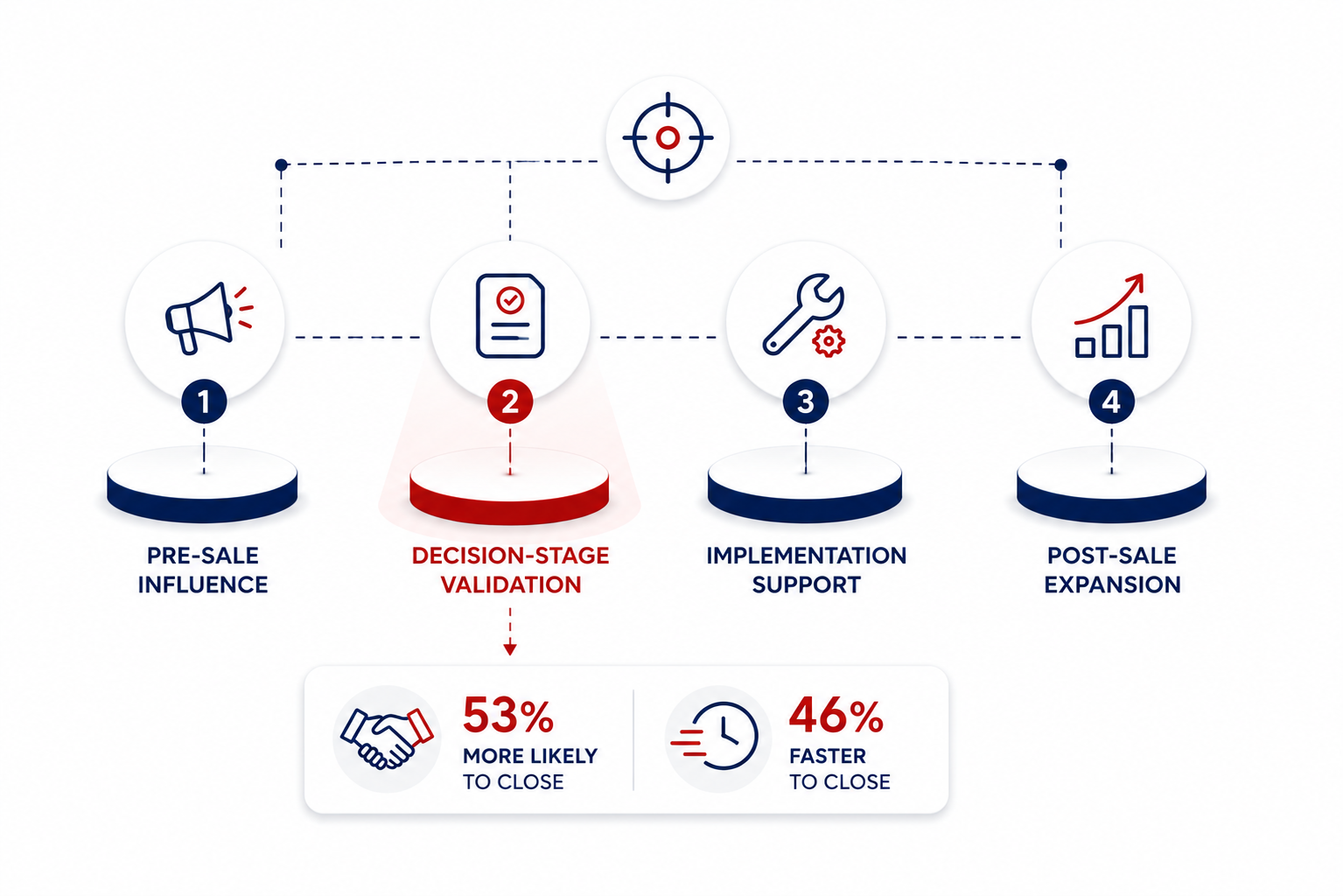
Alliance value shows up at four stages: pre-sale influence, decision-stage validation, implementation support, and post-sale expansion. Each requires different mechanics, and trying to build all four in year one leaves everything under-resourced. Crossbeam’s ecosystem research found that partner-influenced deals close 53 percent more often and 46 percent faster than deals without partner involvement, so choosing correctly is real money. Match the activation to your sales motion: decision-stage validation for long competitive cycles, post-sale influence for land-and-expand models. Build that one motion to maturity before adding the next.
5. Put the joint business plan in writing, driving clarity and commitment.
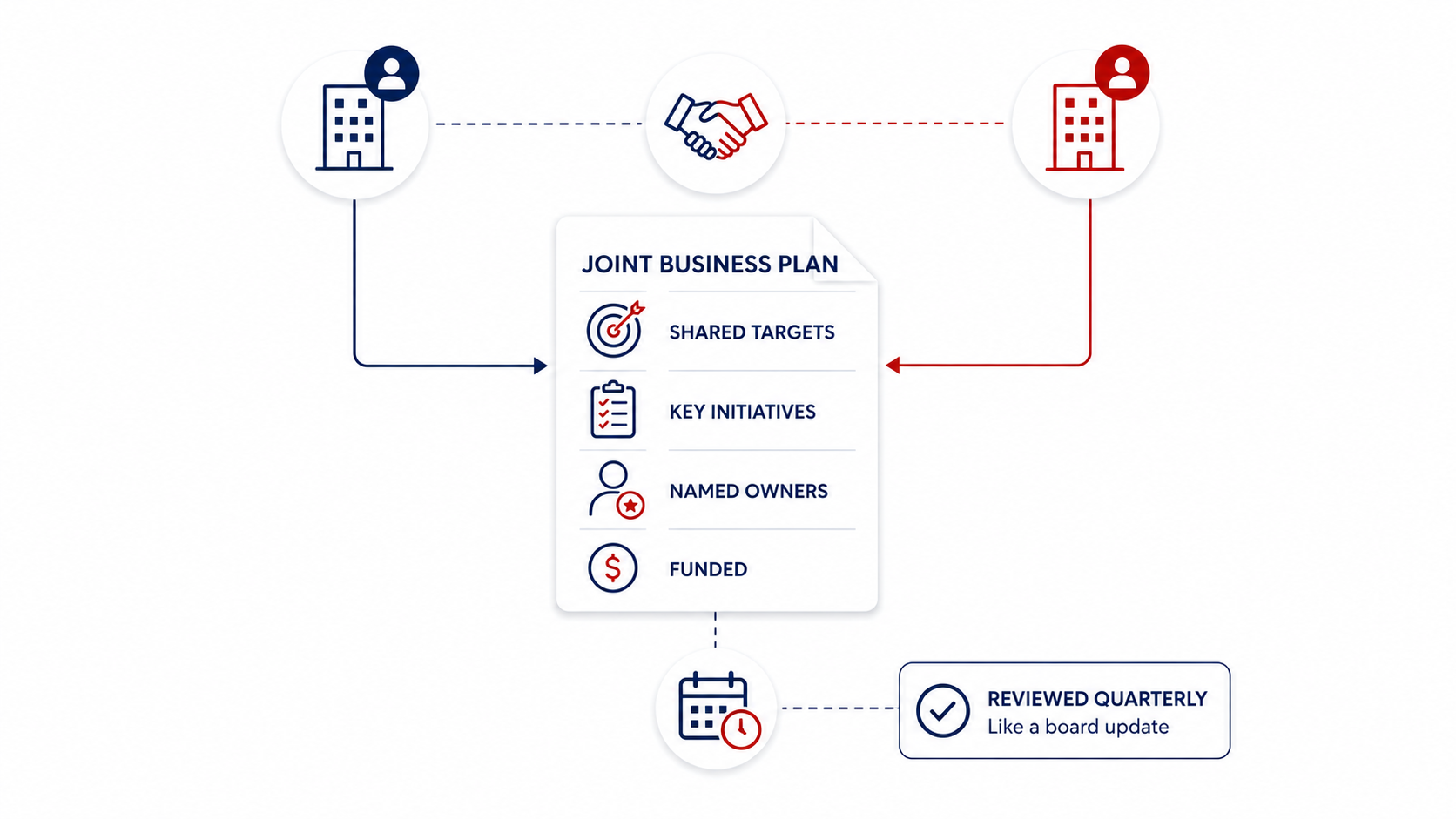
Ask your top partners for the joint plan you are both operating against right now. Work with them to ensure clear goals, actions, and realistic yet aggressive results. A real joint business plan puts shared targets, funded initiatives, and named owners on paper and gets reviewed every quarter.. It is also the document that survives organizational changes. Build it right. Review it like a board update.
6. Make MDF a growth investment, not a reimbursement process.
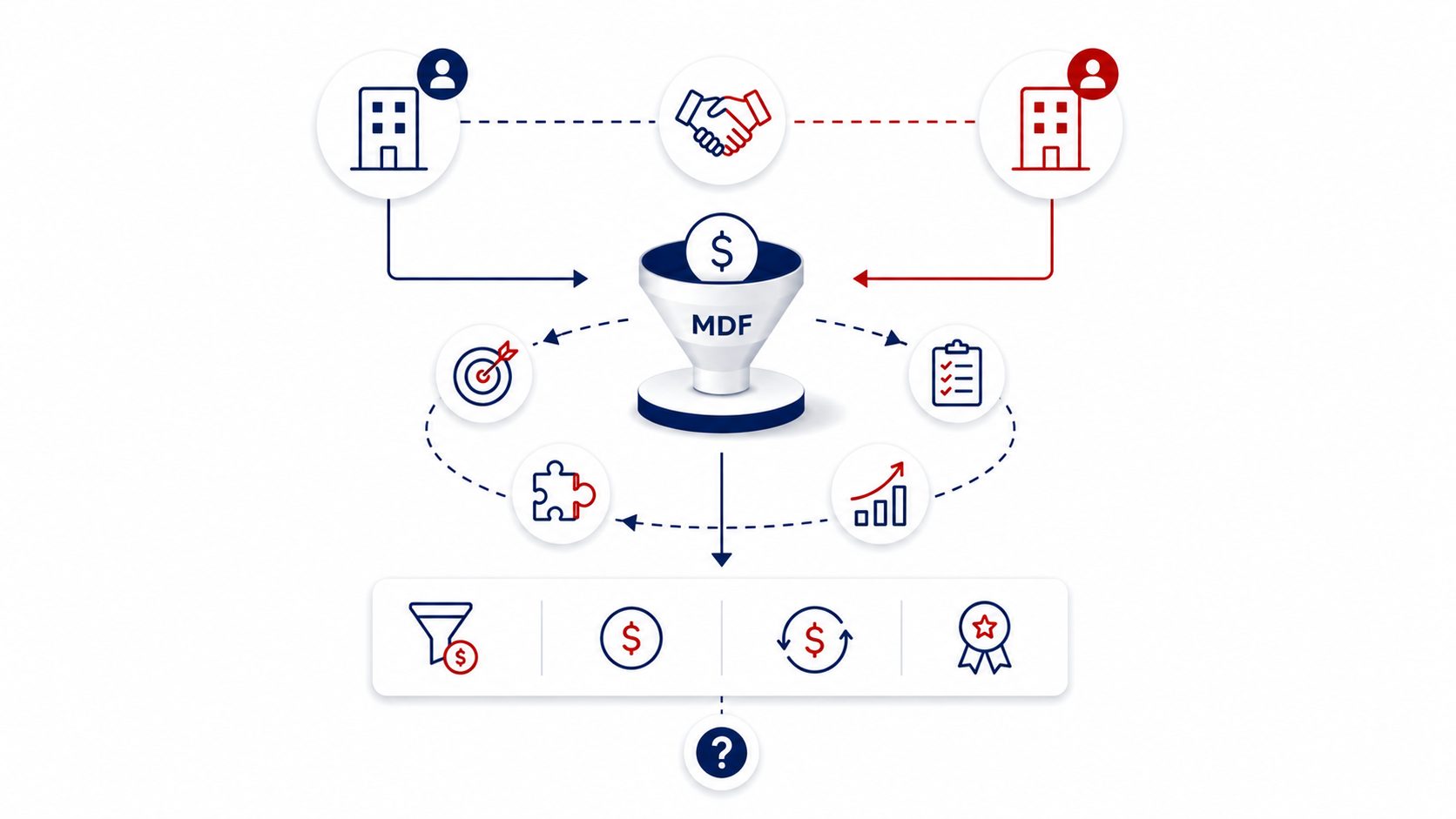
MDF should be a collaborative investment in a partner’s growth. Start with a defined outcome, tailor the investment to what that specific partner is trying to build, and measure pipeline, revenue, recurring value, and capability gained. MDF used as a checkbox or a budget to spend before year-end, rarely produces anything measurable. MDF deployed as growth capital, with accountability on both sides, produces pipeline and partner loyalty. The question to ask before approving any MDF allocation: what business result are we both committing to, ensuring you and your partner are investing money, time, and effort?
7. Fix the comp plan before you fix the messaging.
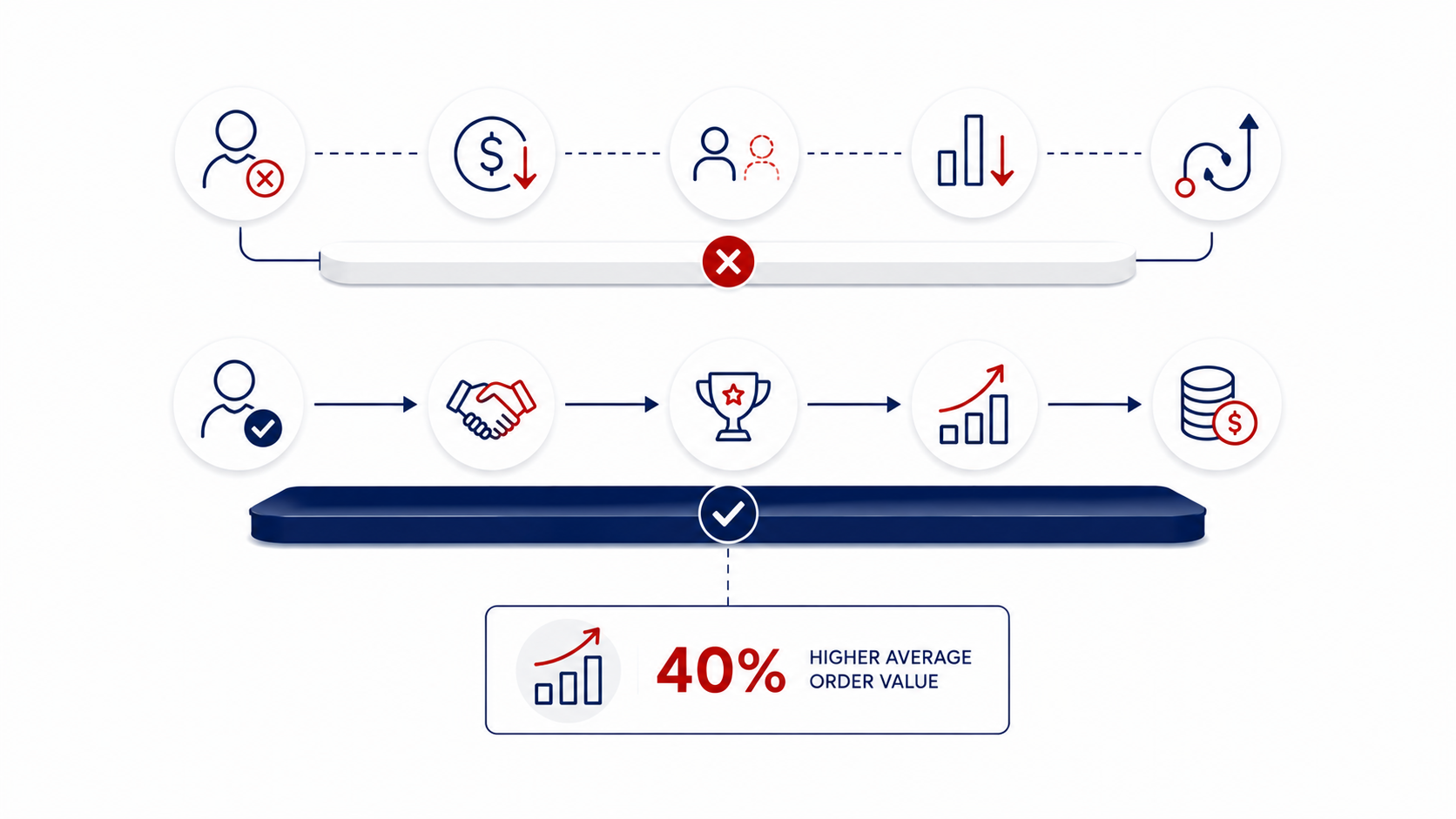 If reps are quietly routing around your alliance partners, check compensation before you update the enablement content. A rep who loses margin or splits credit by involving a partner will rationally find a way around it. The fix is straightforward: make the rep whole or better off when a partner is involved. Quota relief on partner-sourced deals, full credit rather than a discounted assist, or crediting the win-rate lift from partner involvement to their own numbers. Crossbeam’s research puts the average order value on partner-influenced deals 40 percent higher than uninfluenced deals. A comp structure that discourages partnering is actively discouraging your best deals.
8. Co-sell for real capability, not just coverage.
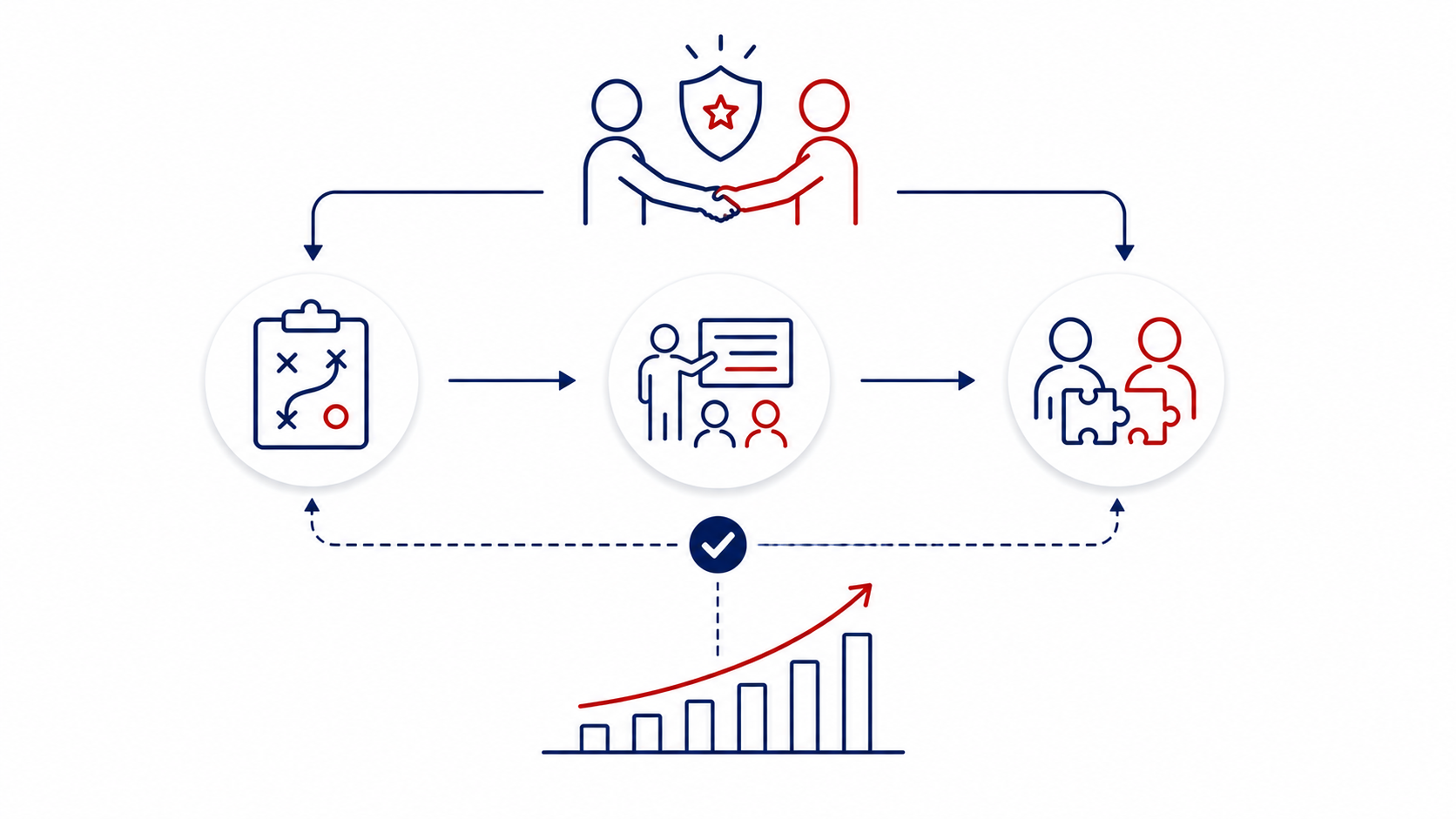
Real co-selling builds the partner’s ability to win future business independently. The goal is a partner who comes back to close deal six better than they closed deal one. That means defining roles clearly across the sales cycle, training on the partner’s value to the customer rather than just product features, and aligning your sellers to work alongside partners rather than in front of them. After five deals together, the question worth asking: is this partner more capable of winning without our involvement than they were before?
9. Let AI handle the administrative work, and protect what it cannot touch.
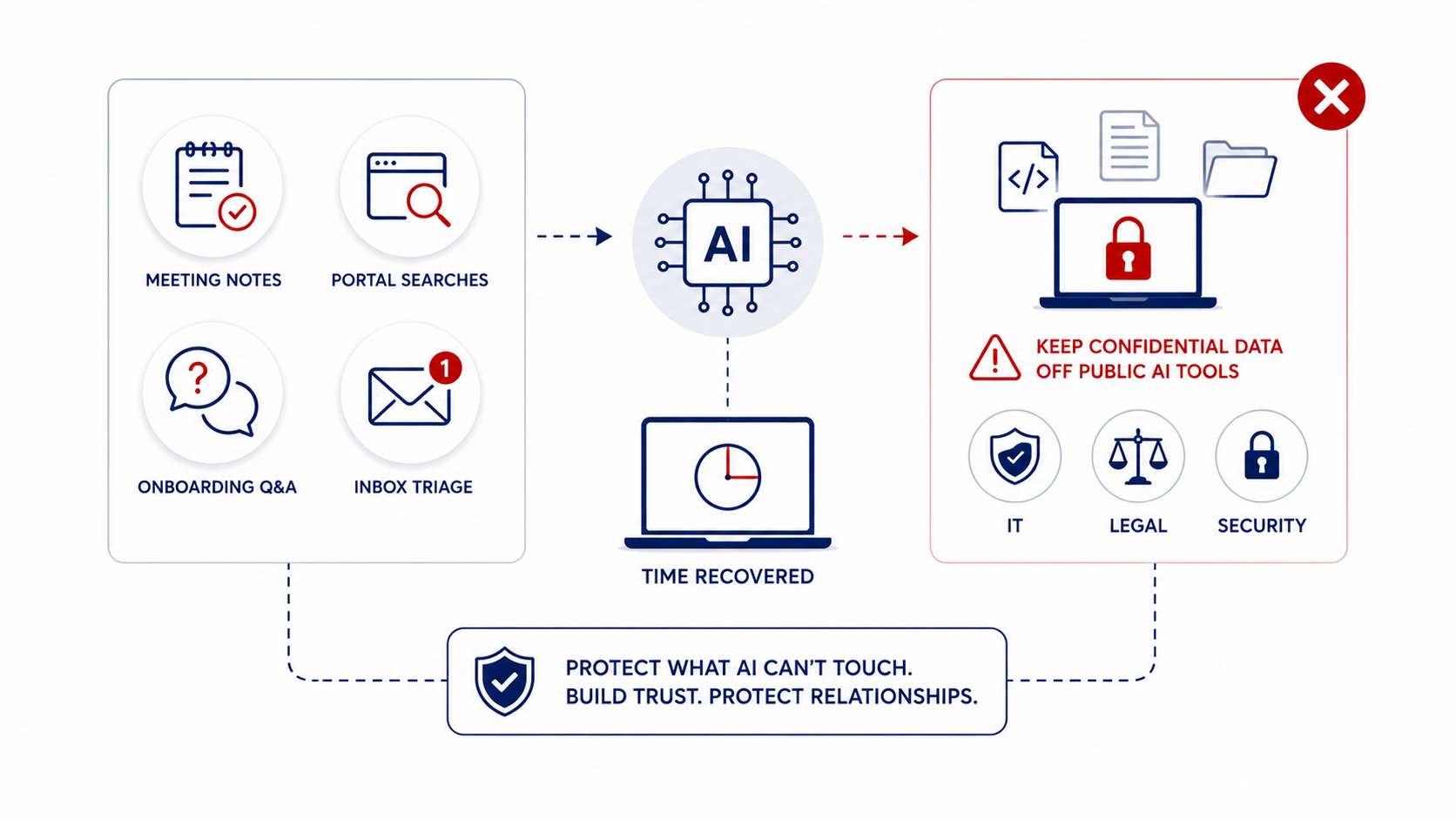
Alliance managers are already buying back real hours by using AI for meeting notes, portal searches, onboarding Q&A, and inbox triage. The time recovered is real. The risk is equally real: anything entered into a public AI tool can become public. Samsung banned a major AI tool company-wide after an employee uploaded sensitive code. Your alliance relationships generate as much confidential material as your internal operations. Keep partner data off public models and involve IT, legal, and security before pointing any AI tool at anything beyond your own calendar and drafts.
10. Sell the solution, not the product.
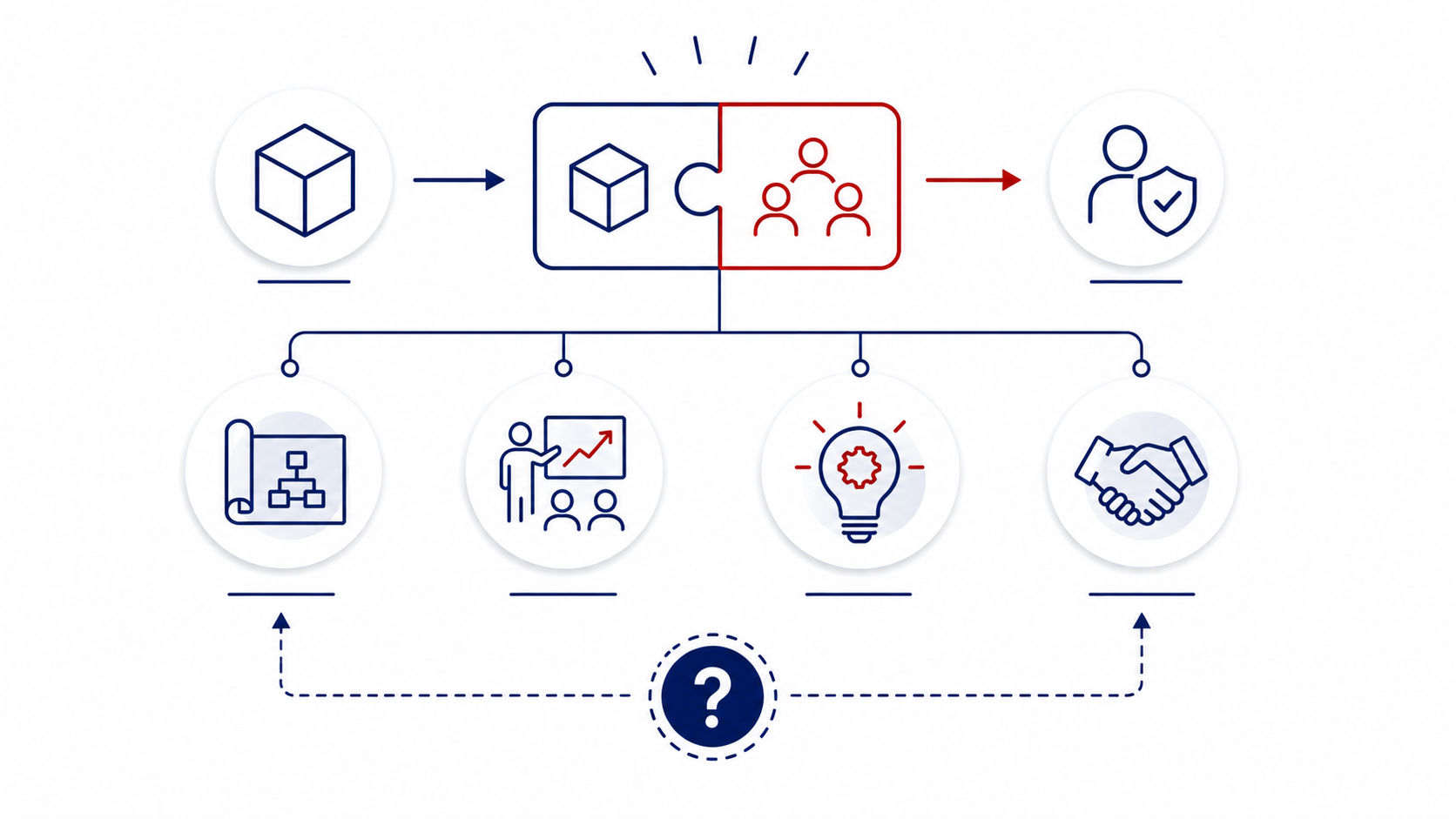 Partners create the most value when vendor technology is embedded in a broader solution that solves a specific business problem for the customer. That means building out repeatable solution blueprints the partner can take to market, enabling value-based selling rather than feature training, and helping partners develop their own IP around your technology. A partner who can bundle your product into a differentiated solution earns larger, stickier deals and deeper customer loyalty. The right question to drive this: what problem can this partner solve better because we work together?
Where This Goes From Here
The strongest alliances are not designed from a vendor deck and handed to partners to execute. They are built with the partner’s economics, growth stage, and customer relationships at the center. When vendors understand how partners actually make money and structure their programs around that reality, partnership stops being a compliance motion and becomes a growth strategy for both sides.
The insights in this piece reflect years of work alongside some of the most respected alliance communities in the industry, including Association of Strategic Alliance Professionals, and the organizations we have had the privilege of supporting across the partner ecosystem.
This is Part 2 of A Decade of Partnering Success, our 10th anniversary series where we’re giving away ten years of field-earned perspective, one topic at a time, from the practitioners who lived it. We are just getting started. Read Part 1 here
If you’re ready to take to next level your partner program and strategic alliances Contact Us here
Frequently Asked Questions
What do partners actually need from a strategic alliance to commit to it?
Partners need commercial terms that reflect how they make money, pricing that supports their growth stage rather than only rewarding past volume, and co-sell support that builds their capability rather than replacing it. When those three things are in place, partners treat the vendor as an extension of their own business. When they are not, partners stay technically enrolled and quietly shift their best deals elsewhere.
What is the biggest reason strategic alliances fail?
Research puts the failure rate at approximately 60 percent. The most common cause is misalignment between what the vendor designed and what the partner actually needs to grow. No named executive sponsor, no joint business plan, and commercial terms that make partnering the less profitable option.
How should alliance portfolios be structured?
Tier your portfolio by what each relationship can realistically produce: strategic, core, and community. Give the strategic tier dedicated executive time and a named owner. Give the community tier a self-serve playbook. Resourcing should follow value, not volume or tenure.
What role does compensation play in alliance success?
A critical one. Reps who lose margin or split credit by involving a partner will route around them regardless of how well the alliance is designed. Making the rep whole or better off when a partner is involved is a prerequisite for real co-sell adoption.
How do you measure whether a strategic alliance is actually working?
Track leading indicators: partner-influenced pipeline, joint plan milestones hit, deal win rates with and without partner involvement, and average deal size on co-sell versus direct deals. Crossbeam’s research puts partner-influenced deals 40 percent higher in average order value. If you are only measuring partner-sourced revenue at year-end, you are a year behind on corrections.